



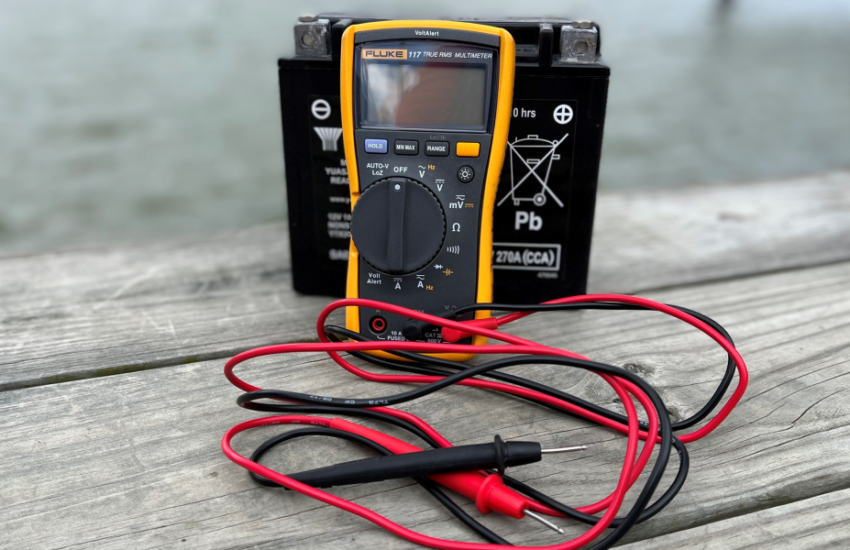
There’s a certain pride that comes with rolling up your sleeves and fixing your own boat. You’ve got the salt on your skin, the hum of the marina in the background, and you think, “I’ve got this.”
But when it comes to electrical work on your yacht, that “I’ve got this” can turn into “I wish I hadn’t” faster than a squall rolls in on a clear horizon.
Because while wiring up a house or a car might seem simple, a yacht’s electrical system? That’s a whole different animal.
1. A Yacht Isn’t a Car or a House — It’s a Floating Power Grid
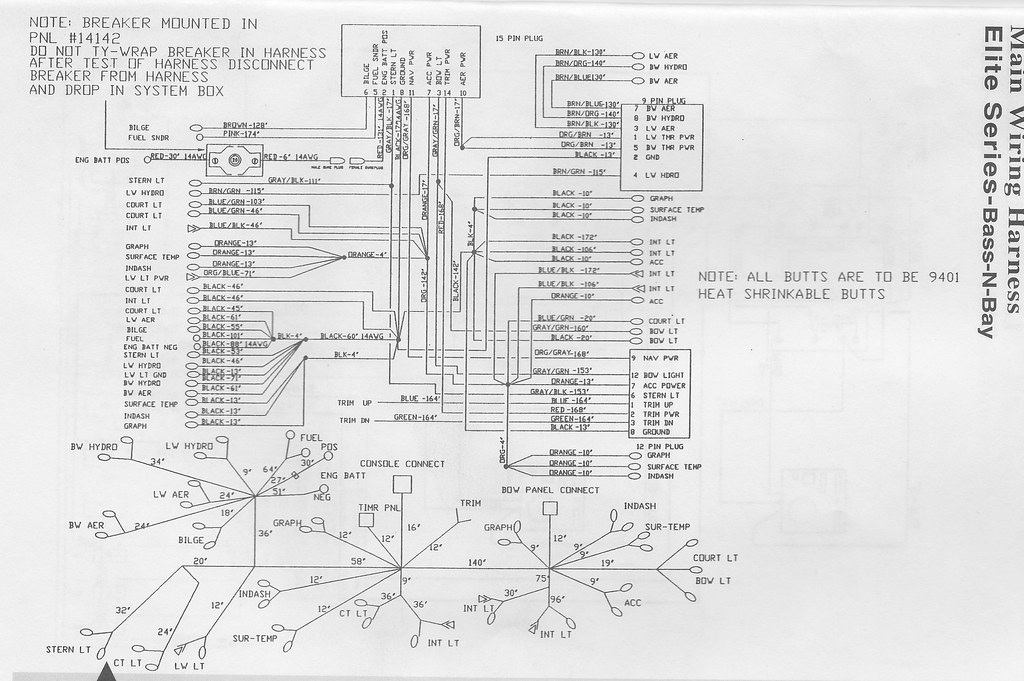
Under the deck, your yacht is running a symphony of systems — AC, DC, generators, solar chargers, inverters, and batteries all dancing together. It’s a balance of current, corrosion, and connection.
One wrong splice, one mismatched wire, and that harmony turns into chaos. Maybe not today, maybe not tomorrow, but salt, vibration, and time will find that weak point. They always do.
You might not notice until the lights start to flicker, or worse — the smell of burnt insulation hits your nose halfway to Bimini.
So before you crack open that panel thinking you’ll save a few bucks, remember: this isn’t a weekend project. This is the beating heart of your boat.
2. Fire Doesn’t Care How Handy You Are
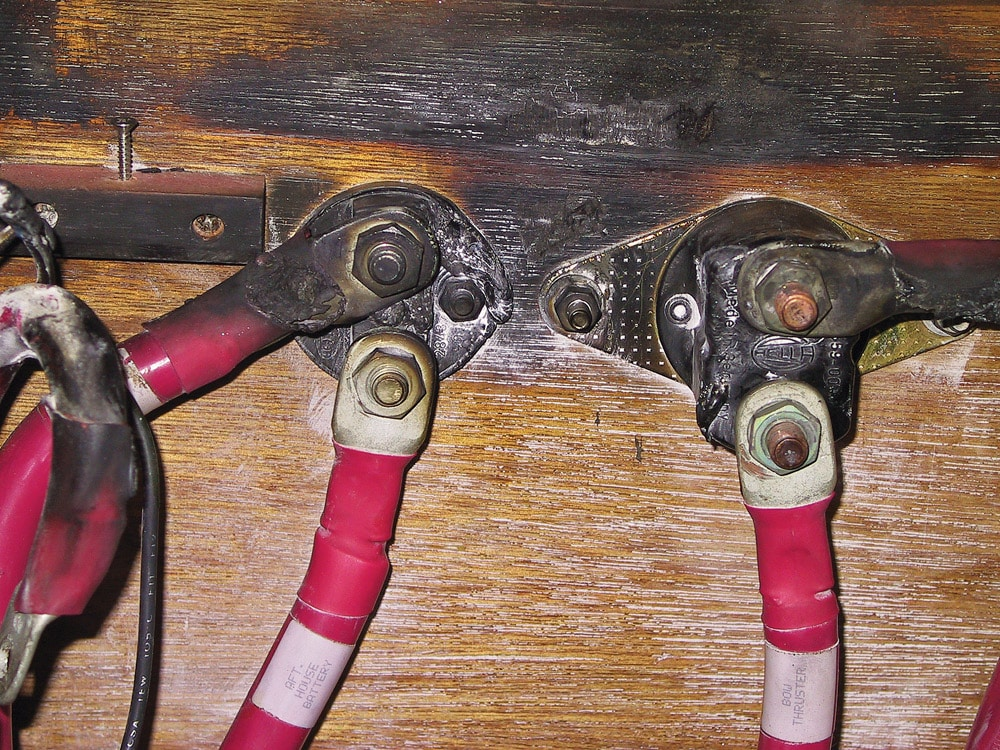
Most marine fires don’t start from engines. They start from wiring.
A loose connection, a corroded terminal, a wire just a bit too thin for the load — that’s all it takes. The heat builds up quietly, tucked behind a panel or under a berth, until it’s too late.
Certified marine electricians don’t just fix problems; they prevent them. They use tinned copper wiring, marine-grade connectors, sealed crimps, and ABYC-approved methods because they know the ocean has a way of testing every shortcut you take.
DIY wiring might save you a few hundred bucks, sure — but there’s no “discount” worth risking your boat, your crew, or your peace of mind.
3. The Hidden Costs of Doing It Yourself
There’s a funny thing about mistakes in yacht systems: they compound over time.
A small error — say, the wrong fuse or an unprotected connection — might seem harmless. But months later, you’re chasing gremlins in your power system, or worse, replacing an entire battery bank that fried from a slow, invisible short.
And then you call the pro anyway. Only now, it’s not a quick fix — it’s a rebuild.
In yachting, the cheapest way often turns out to be the most expensive.
4. Why Marine Electricians Are Worth Their Weight in Gold
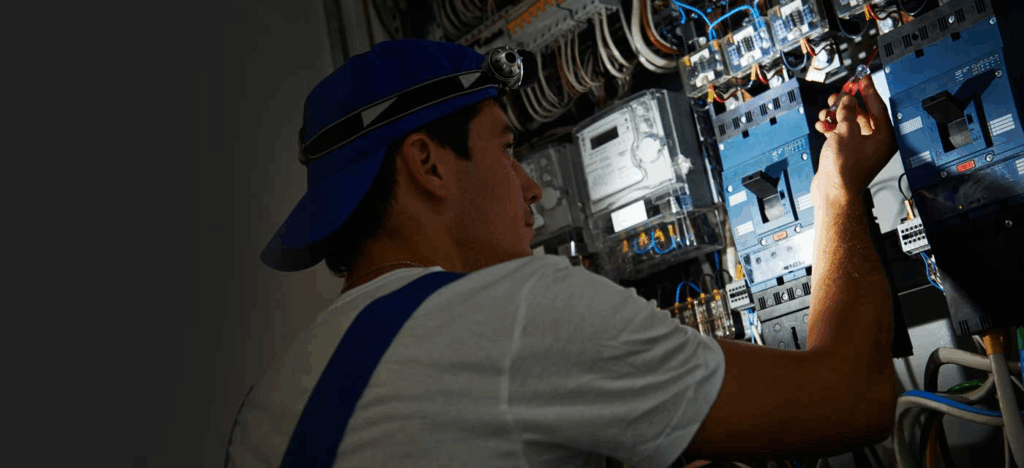
A good marine electrician doesn’t just know how to wire. They know how a yacht lives and breathes.
They understand how galvanic corrosion sneaks through your bonding system. They know how to route wires so they won’t rub or sweat in the heat of the engine room. They know how to build redundancy so your systems keep humming when you’re miles offshore.
They work to ABYC standards and leave behind documentation — proof that your yacht is wired right, safe, and insurable.
That’s not just professionalism — that’s peace of mind.
5. When It’s Time to Put Down the Tools
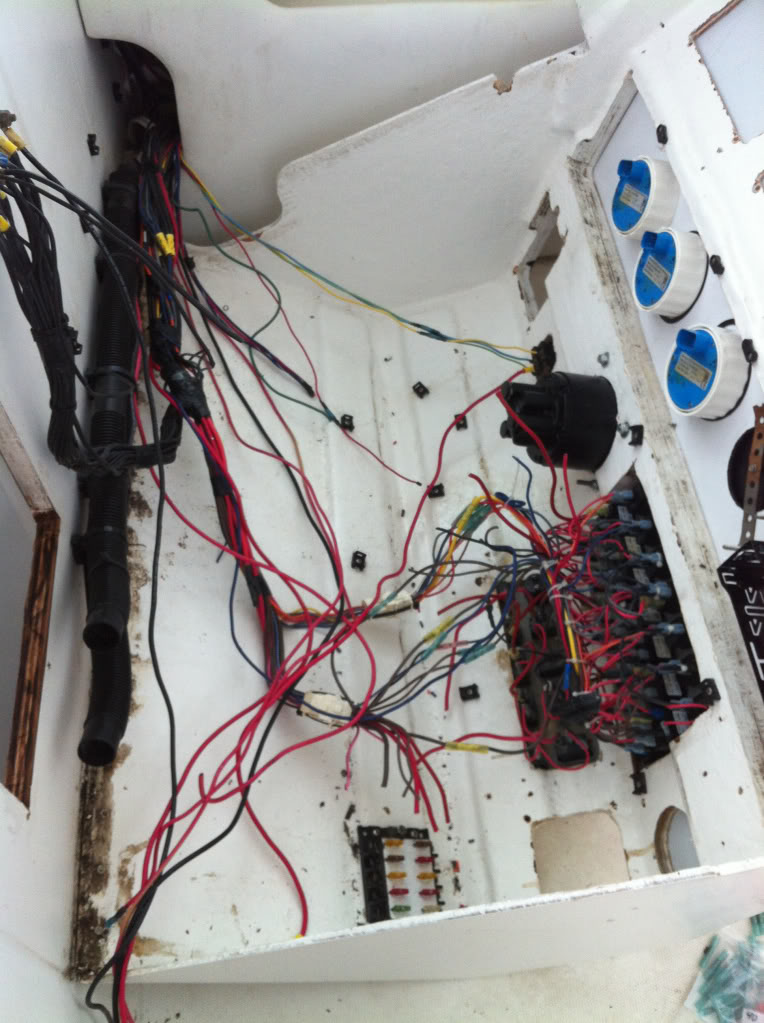
There’s no shame in knowing your limits. Replace a fuse? Sure. Top off your batteries? Go ahead. But when it comes to rewiring panels, adding inverters, or troubleshooting grounding faults, it’s time to step aside.
These are jobs where precision and certification matter. The stakes are too high, and the margin for error is too small.
Because out on the water, you can’t just pull over and call roadside assistance.
6. The Bottom Line
You bought your yacht for freedom — to chase sunsets, not sparks.
So before you grab the wire cutters and dive into a junction box, ask yourself what your time, your safety, and your sanity are worth.
Let the pros handle the wiring. You handle the helm. That’s where you belong.
Because at the end of the day, doing things the right way isn’t about control — it’s about trust. And on the water, trust is everything.
